The parable of the Good Samaritan is well-known, even by those who aren’t Christian. Briefly, it goes like this: a man is robbed, beaten, and left for dead on the side of a road. First a priest, and then a Levite, passed him by. But a Samaritan, a member of a group despised by many Jews, stopped and helped the man, even bringing him to help and paying the necessary expenses.
There’s a great contrast made between these people, but another interesting question is what they have in common in the story: they are all identified by their cultural “tribe.” This brings up another interesting contrast: the man, left bloodied on the side of the road, was not identified as anything other than a “man,” or broadly, a human being. The only thing we know about this person is that “he fell among robbers, who stripped him and beat him and departed, leaving him half dead.”[1] What else was there to know?
By not defining this person, Jesus was not letting His audience limit their responsibility. According to the Reformation Study Bible: “First-century Jews had various ideas about who was included in the category of ‘neighbor,’ whether marking its boundaries by community or clan affinities or by religious party affiliation (a Pharisee’s neighbors would be other Pharisees). Yet at its widest extent, the circle of ‘neighbors’ was confined to Israel.” In short, the Jews were using tribalism to exclude people from the definition of neighbor, in a similar way people use concepts like intersectionality to include people over others today, but in the Good Samaritan parable, nobody is excluded.
To Jesus, the identity of the victim is not relevant – the neighborly thing to do isn’t to help because of who the person is (whether they belong to your own clan or tribe), but because they are a person – made in God’s image – who is hurt. In other words, if there’s a bloody man on the road in front of you, don’t say God didn’t require you to deal with it, because the man is not your neighbor, by some narrow definition.
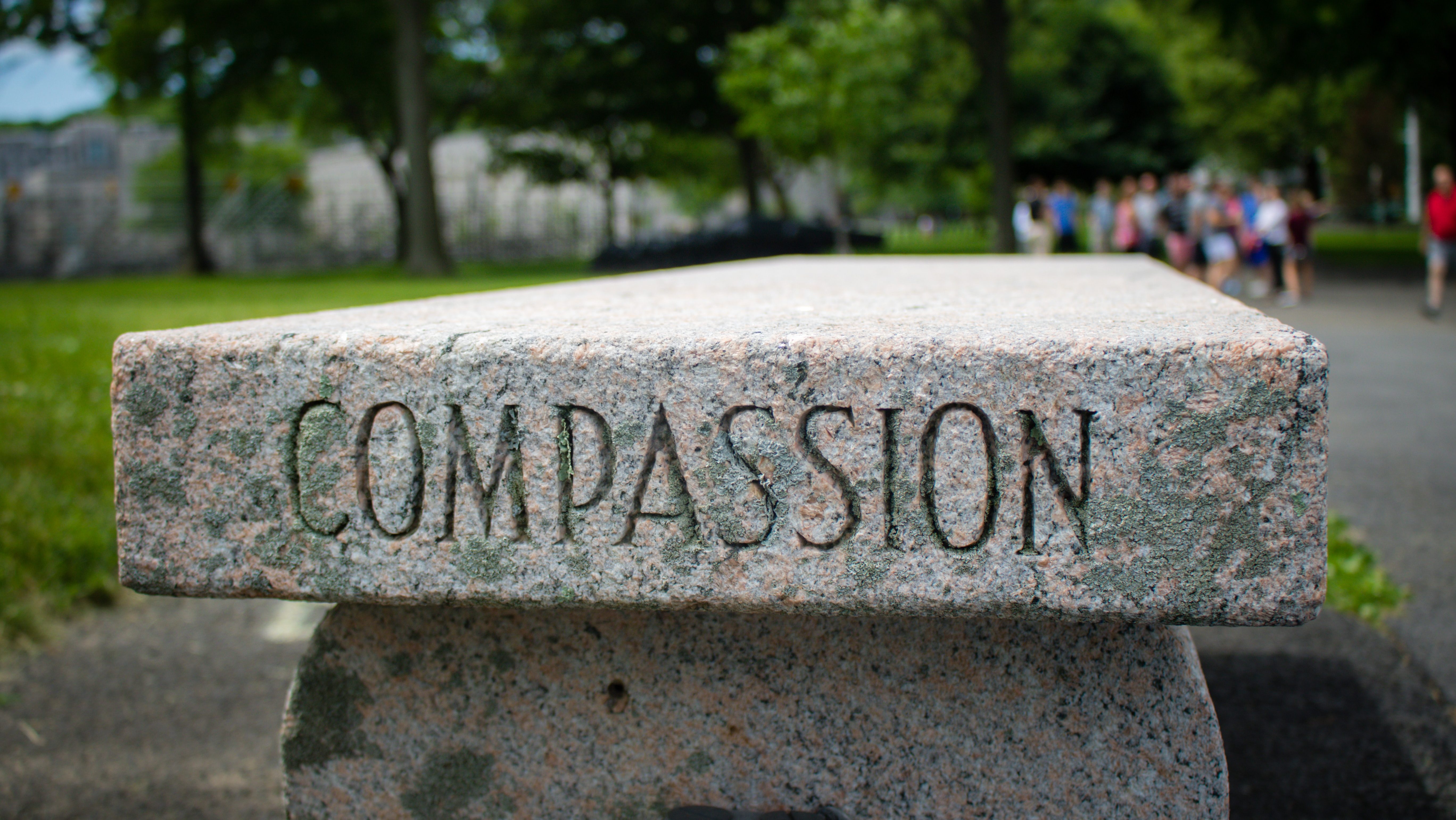
Jesus was making the broadest interpretation possible. When we consider the situation of each person on Earth – damaged by sin, robbed of their dignity, and left for spiritual death – isn’t everyone like this man by the side of the road?
While we can’t expect to help every hurting person we see, the message Jesus wanted us to hear by not identifying this victim is that we shouldn’t have any pre-defined rules about who is our neighbor when obeying the command: “You shall love your neighbor as yourself.”[2] Too often we create moral shortcuts about who to care for or not to care for, based on whatever our culture or group of friends agree on, allowing us to ignore obvious problems right in front of us.
If you find someone beat up and bloody on the side of the road, literally or metaphorically, help them if you can. No matter who they are. No shortcuts or pre-defined rules are allowed.
 Driving Toward the Morning Sun
Amen.
LikeLiked by 1 person
I agree. Help others or call for help. One day you may be the stranger who needs help.
LikeLiked by 1 person