Mercy for Mephibosheth

The English writer Samuel Johnson noted that “the true measure of a man is how he treats someone who can do him absolutely no good.”  There is a great example of this in the story of King David and Mephibosheth in the book of 2 Samuel.

Before becoming king, David had a deep friendship with Jonathan, the son of King Saul who despised David and persistently tried to kill him.  In response, David did not try to kill Saul, but relied on God to keep his promise that David would become king and eventually Saul was killed in battle against the Philistines.  Soon after, David was anointed king and surprisingly asked: “Is there still anyone left of the house of Saul, that I may show him kindness for Jonathan’s sake?[1]  Mephibosheth, a lame son of Jonathan, was found, given Saul’s land and servants to work it, and also given a place at David’s table.

There are at least 3 ways David’s treatment of Mephibosheth did David no good from a worldly perspective:

  • It was typical for kings to wipe out the entire family of political rivals to remove any threats from claims to the crown.  David, showing mercy to Mephibosheth instead, took a risk by keeping a descendant of Saul alive.
  • Mephibosheth, lame in both feet, was limited in what service he could offer to David.  He was not a great warrior and otherwise had little to offer David.  However, David had mercy on him because of his love for Mephibosheth’s father Jonathan, not because of what he could get in return.
  • David restored Saul’s land to Mephibosheth, land that David could have kept for himself.  Instead, David fed Mephibosheth from his own possessions for the rest of his life.  Mercy for Mephibosheth had an economic cost to David.

While from this worldly perspective David might seem foolish, from an eternal perspective he was wise, foreshadowing the teaching of Jesus in Matthew 5:43-45 –

You have heard that it was said, ‘You shall love your neighbor and hate your enemy.’  But I say to you, Love your enemies and pray for those who persecute you, so that you may be sons of your Father who is in heaven. For he makes his sun rise on the evil and on the good, and sends rain on the just and on the unjust.”

Are there Mephibosheths in our lives who could be shown mercy, regardless of the worldly impact on us?


[1] 2 Samuel 9:1
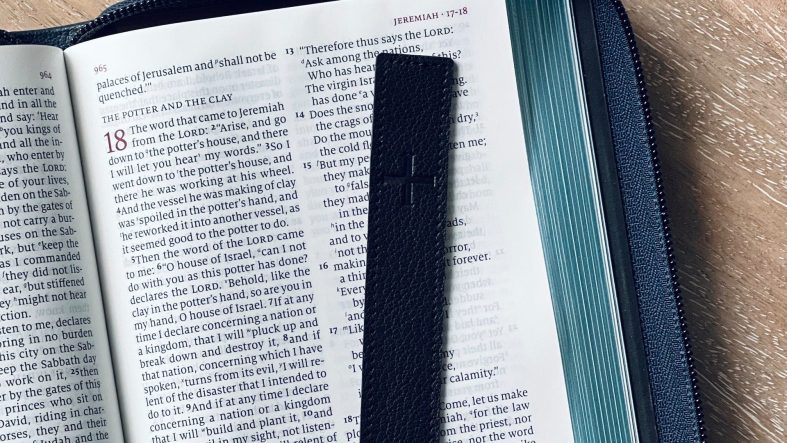
Bible in a Year: Week of February 12 – February 18

Fellow travelers:

Below are the chapters to read this week if you’re following along in my Bible in a year schedule, divided into morning and evening readings.  Follow along any way you want: just do the evening reading, flip the morning and evening, read it all.  Whatever works for you and your schedule!

By the end of this week, we’ll be almost 1/3 of the way through Psalms and almost done with Genesis.  Also, readings from OT history continue until we’re through Kings and Chronicles, then we start the Gospels.

Monday, February 12
Morning: Psalm 43, 2 Samuel 24
Evening: Genesis 43

Tuesday, February 13
Morning: Psalm 44, 1 Kings 1
Evening: Genesis 44

Wednesday, February 14
Morning: Psalm 45, 1 Kings 2
Evening: Genesis 45

Thursday, February 15
Morning: Psalm 46, 1 Kings 3
Evening: Genesis 46

Friday, February 16
Morning: Psalm 47, 1 Kings 4
Evening: Genesis 47

Saturday, February 17
Morning: Psalm 48, 1 Kings 5-6
Evening: Genesis 48

Sunday, February 18
Morning: Psalm 49, 1 Kings 7-8
Evening: Genesis 49

Bible in a Year: Week of February 5 – February 11

Fellow travelers:

Below are the chapters to read this week if you’re following along in my Bible in a year schedule, divided into morning and evening readings.  Follow along any way you want: just do the evening reading, flip the morning and evening, read it all.  Whatever works for you and your schedule!

Monday, February 5
Morning: Psalm 36, 2 Samuel 15
Evening: Genesis 36

Tuesday, February 6
Morning: Psalm 37, 2 Samuel 16
Evening: Genesis 37

Wednesday, February 7
Morning: Psalm 38, 2 Samuel 17
Evening: Genesis 38

Thursday, February 8
Morning: Psalm 39, 2 Samuel 18
Evening: Genesis 39

Friday, February 9
Morning: Psalm 40, 2 Samuel 19
Evening: Genesis 40

Saturday, February 10
Morning: Psalm 41, 2 Samuel 20-21
Evening: Genesis 41

Sunday, February 11
Morning: Psalm 42, 2 Samuel 22-23
Evening: Genesis 42

Mercy for Mephibosheth

The English writer Samuel Johnson noted that “the true measure of a man is how he treats someone who can do him absolutely no good.”  There is a great example of this in the story of King David and Mephibosheth in the book of 2 Samuel.

Before becoming king, David had a deep friendship with Jonathan, the son of King Saul who despised David and persistently tried to kill him.  In response, David did not try to kill Saul, but relied on God to keep his promise that David would become king and eventually Saul was killed in battle against the Philistines.  Soon after, David was anointed king and surprisingly asked: “Is there still anyone left of the house of Saul, that I may show him kindness for Jonathan’s sake?[1]  Mephibosheth, a lame son of Jonathan, was found, given Saul’s land and servants to work it, and also given a place at David’s table.

There are at least 3 ways David’s treatment of Mephibosheth did David no good from a worldly perspective:

  • It was typical for kings to wipe out the entire family of political rivals to remove any threats from claims to the crown.  David, showing mercy to Mephibosheth instead, took a risk by keeping a descendant of Saul alive.
  • Mephibosheth, lame in both feet, was limited in what service he could offer to David.  He was not a great warrior and otherwise had little to offer David.  However, David had mercy on him because of his love for Mephibosheth’s father Jonathan, not because of what he could get in return.
  • David restored Saul’s land to Mephibosheth, land that David could have kept for himself.  Instead, David fed Mephibosheth from his own possessions for the rest of his life.  Mercy for Mephibosheth had an economic cost to David.

While from this worldly perspective David might seem foolish, from an eternal perspective he was wise, foreshadowing the teaching of Jesus in Matthew 5:43-45 –

You have heard that it was said, ‘You shall love your neighbor and hate your enemy.’  But I say to you, Love your enemies and pray for those who persecute you, so that you may be sons of your Father who is in heaven. For he makes his sun rise on the evil and on the good, and sends rain on the just and on the unjust.”

Are there Mephibosheths in our lives who could be shown mercy, regardless of the worldly impact on us?


[1] 2 Samuel 9:1

Bible in a Year: Week of January 29 – February 2

Fellow travelers:

Below are the chapters to read this week if you’re following along in my Bible in a year schedule, divided into morning and evening readings.  Follow along any way you want: just do the evening reading, flip the morning and evening, read it all.  Whatever works for you and your schedule!

Monday, January 29
Morning: Psalm 29, 2 Samuel 6
Evening: Genesis 29

Tuesday, January 30
Morning: Psalm 30, 2 Samuel 7
Evening: Genesis 30

Wednesday, January 31
Morning: Psalm 31, 2 Samuel 8
Evening: Genesis 31

Thursday, February 1
Morning: Psalm 32, 2 Samuel 9
Evening: Genesis 32

Friday, February 2
Morning: Psalm 33, 2 Samuel 10
Evening: Genesis 33

Saturday, February 3
Morning: Psalm 34, 2 Samuel 11-12
Evening: Genesis 34

Sunday, February 4
Morning: Psalm 35, 2 Samuel 13-14
Evening: Genesis 35