
The history of the kings of Judah can read like a back-and-forth between construction of idols by bad kings and the destruction of idols by good kings. Hezekiah was one of the few good kings, and one reason is recorded in 2 Kings 18:4, which says:
“[Hezekiah] removed the high places and broke the pillars and cut down the Asherah. And he broke in pieces the bronze serpent that Moses had made, for until those days the people of Israel had made offerings to it (it was called Nehushtan).”
Judah was meant to have only one God, the true God Yahweh, and to destroy anything that would lead them to idolatry. Unfortunately, worshipping other gods in high places was not uncommon, and neither was worship of Asherah. What’s interesting about this verse is the mention of this “Nehushtan.” The origin of this bronze snake that Moses made comes from a story in the book of Numbers.
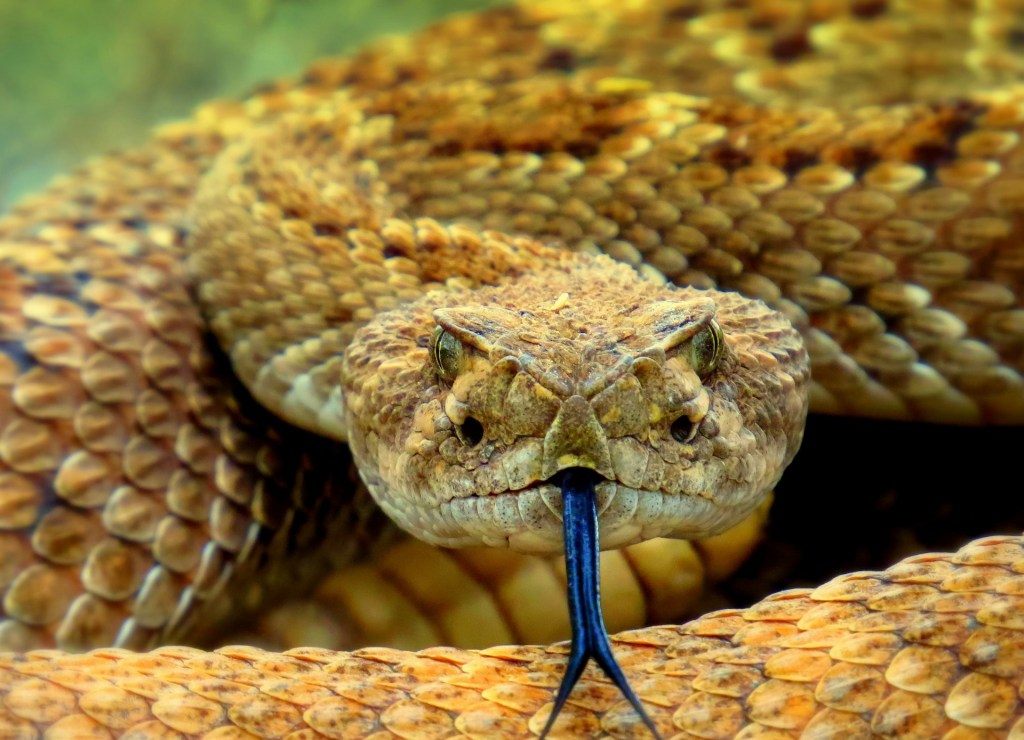
As often happened while they wandered the wilderness, the people of Israel complained to God and Moses that they would have been better off if still in Egypt. They hated the food God was providing and accused Him of leading them into the wilderness to die. As discipline for this grumbling, “the LORD sent fiery serpents among the people, and they bit the people, so that many people of Israel died.”[1] The people repented and asked for the serpents to be removed, and Moses prayed for them.
The answer was that “Moses made a bronze serpent and set it on a pole. And if a serpent bit anyone, he would look at the bronze serpent and live.”[2] This serpent being lifted up was later identified in John 3:14 as a prelude to Jesus being lifted up on the cross, but in Hezekiah’s day it had become an idol, an object that took people away from worship of the true God and the then-future Christ. Instead of being a symbol of salvation, the bronze serpent became a symbol of idolatry, which leads to damnation.
The story of the serpents ends there, and there is no mention that God told the people to keep this bronze serpent, or that God told them to give it a name. This was probably the beginning of the problem, that Israel added to God’s intentions for it.
So, what are the lessons for us?
Nehushtan, the bronze serpent, was created at God’s command to be an aid to worship, a device for reminding His people of His provision for them, from above. Instead, it became an idol. What this tells us is that anything, even something once (or currently) used in worship, can become an idol. Even things like private Bible study or public singing of hymns can be idols if we use them as ends in themselves and not as a way to worship our only God. A thing can be an idol not because of what it is, but because of our attitude toward it.
Also, something that is an idol to one person might not be an idol to another. The bronze serpent was not an idol to Moses, but it was to people in Hezekiah’s time. So, if we know that something tempts us, that thing might not be a temptation for others, and vice versa. Therefore, we should not be quick to judge others for doing things that bother us, but may not be a problem for them, and are not specifically prohibited in the Bible.
When Christ was raised up on the cross like the bronze serpent and was raised from the dead like those who survived the bites of serpents, He identified Himself as the only God and the only one worthy of our worship, but He also identified Himself as the merciful one who desires that we be merciful to each other.
Like ancient Israel, we all have Nehushtans in our lives that corrupt our worship, and like the good king Hezekiah, we must remove them from our lives to reform our worship.




 Driving Toward the Morning Sun