King David wrote many Psalms during the difficult times in his life. Psalm 18, written “on the day when the LORD delivered him from the hand of all his enemies, and from the hand of Saul,”[1] is a song David wrote to praise God for His deliverance from difficulties in the past. David describes the depths of the troubles he faced in verses 4 and 5:
“The cords of death encompassed me;
the torrents of destruction assailed me;
the cords of Sheol entangled me;
the snares of death confronted me.”
There were many moments where David faced enemies seeking to kill him, a situation we may never face. But, like David we all face struggles and, while not literally life-threatening, some of them may feel like what David describes. Our enemies may be external or internal, physical or spiritual, and Psalm 18 can be applied to them all. David magnifies the powers that assailed him, which John Calvin wrote, “enhances and magnifies so much the more the glory of his deliverance. As David had been reduced to a condition so desperate that no hope of relief or deliverance from it was apparent, it is certain that he was delivered by the hand of God, and that it was not a thing effected by the power of man.” David was truly in a desperate situation and sometimes we are too.
So, how can this Psalm help us in our struggles? I’m going to focus on only a few of the Psalm’s 50 verses, including verses 1 to 3:
“I love you, O LORD, my strength.
The LORD is my rock and my fortress and my deliverer,
my God, my rock, in whom I take refuge,
my shield, and the horn of my salvation, my stronghold.
I call upon the LORD, who is worthy to be praised,
and I am saved from my enemies.”
Note that these verses come before the ones quoted earlier because before coming to God with his problems, David contemplated who God is and what he has learned about Him from experience. When we’re struggling, we should also take the time to contemplate the nature of our God so we can get the right perspective.
David uses some military metaphors to tell us about God. David says God is a rock, a fortress, a shield, a horn, and a stronghold. These tell us that God:
- is a rock, immovable by our enemies and our problems.
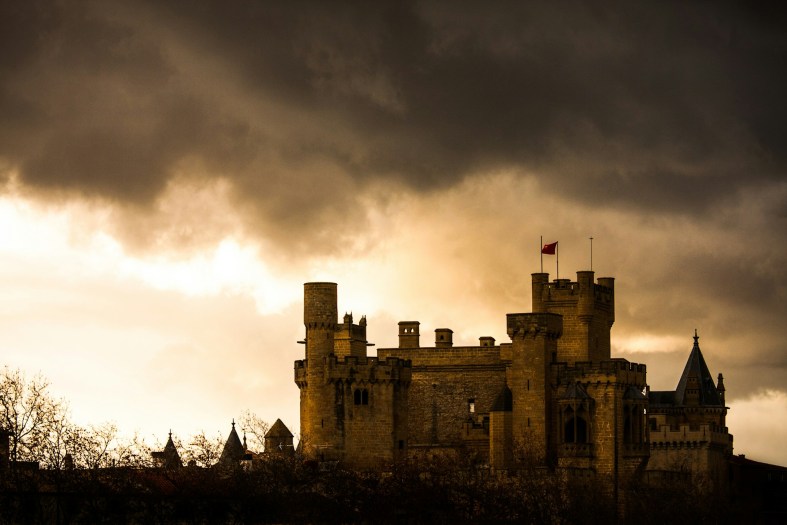
- is a fortress and stronghold, a secure place to flee from our enemies, where they cannot get in.
- is a shield that protects us from harm. Our enemies’ weapons can’t pierce God’s protection.
- is a horn, with all the power we need to defeat our enemies. A horn was a symbol of might in the Bible.
God is all these things for us too!
In verse 7, David added that when God answered his call for help, “the earth reeled and rocked; the foundations also of the mountains trembled and quaked, because he was angry.” God’s power, His “horn”, is so powerful that even the earth fears it, but we need to learn to trust in it, and it alone.
There is no sure way to learn to trust a fortress or shield, other than to test them in battle. C.S. Lewis wrote that “God allows us to experience the low points of life in order to teach us lessons that we could learn in no other way.” When we’re fighting an external battle against an enemy or against painful circumstances. When we’re fighting an internal battle against temptation, a bad habit, an addiction, or maybe an unattractive character trait, God can teach us about who He is through the pain of those battles, and we can learn to trust Him more.
Although we will not defeat all of our enemies while we live in this world, and we may be frustrated knowing God is powerful enough to win, but we still fail anyway, we know that:
“The steadfast love of the LORD never ceases;
his mercies never come to an end;
they are new every morning;
great is your faithfulness.”[2]
He is faithfully by our side in every struggle, and eager to restore us when we fall, even if it’s every day (or more!). But most importantly, we know that He is working in all things – even our fiercest battles – to perfect us and that He will not fail. Even if we are unfaithful at times, He remains faithful always, and it’s His faithfulness that makes the difference.
If you’re fighting something today, remember that God is your rock, fortress, shield, horn, and stronghold, and you can trust Him.
“And I am sure of this, that he who began a good work in you will bring it to completion at the day of Jesus Christ.” – Philippians 1:6
[1] Psalm 18:0 (title)
[2] Lamentations 3:22-23






 Driving Toward the Morning Sun